How to create the perfect CV!
The first thing Working EU will ask you to do is submit your CV in English. If you don't have one yet, don't worry! Here are some tips on how to create a personal CV. Make sure your CV is easy to read and has a clear layout.
Here's how to create a CV. Always start your CV with contact information that includes:
- Your full name;
- Household;
- Phone number;
- Email address.
Include details about your qualifications and education. Don't forget about certificates, training, and online courses . These should include:
- The name of the course or qualification you completed;
- Name of the institution where you attended the course;
- City and country where you studied;
- Start and end date.
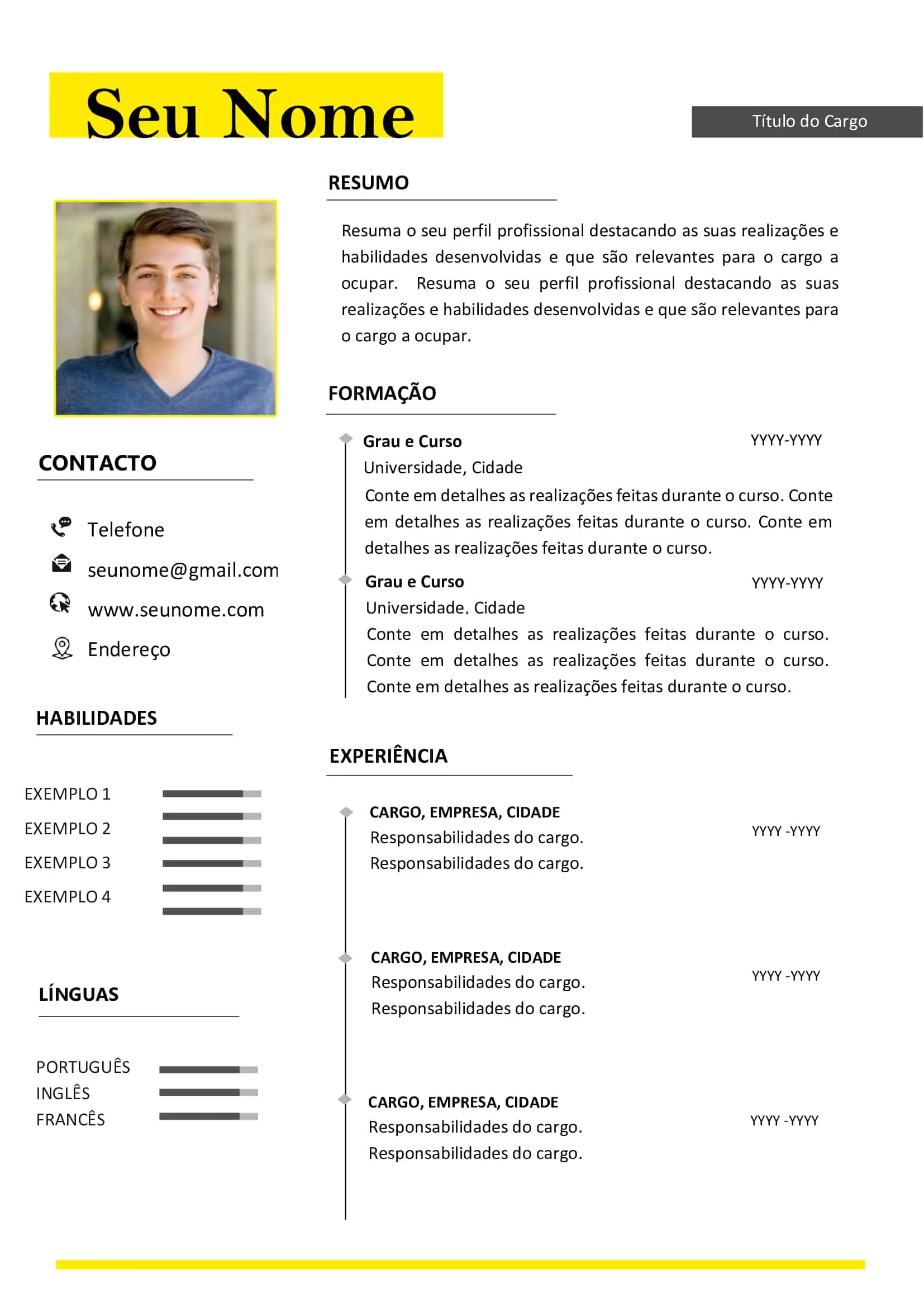
Mention any technical skills you have, such as a driver's license, and list any foreign languages you speak. The most important part of your CV is your previous employment . Note where you've worked previously:
- Name of employer/company;
- Position;
- Place where you worked;
- Start and end date;
- (Optional) references.
If you add a reference, be sure to include the following information:
- Name;
- Position;
- Organization where you are employed;
- Phone number;
- Email address.
Community work and volunteer experience are great additions to your CV. It shows you care about the people around you. Some of these experiences are more useful to the company you're applying to than you might think.